About this Service
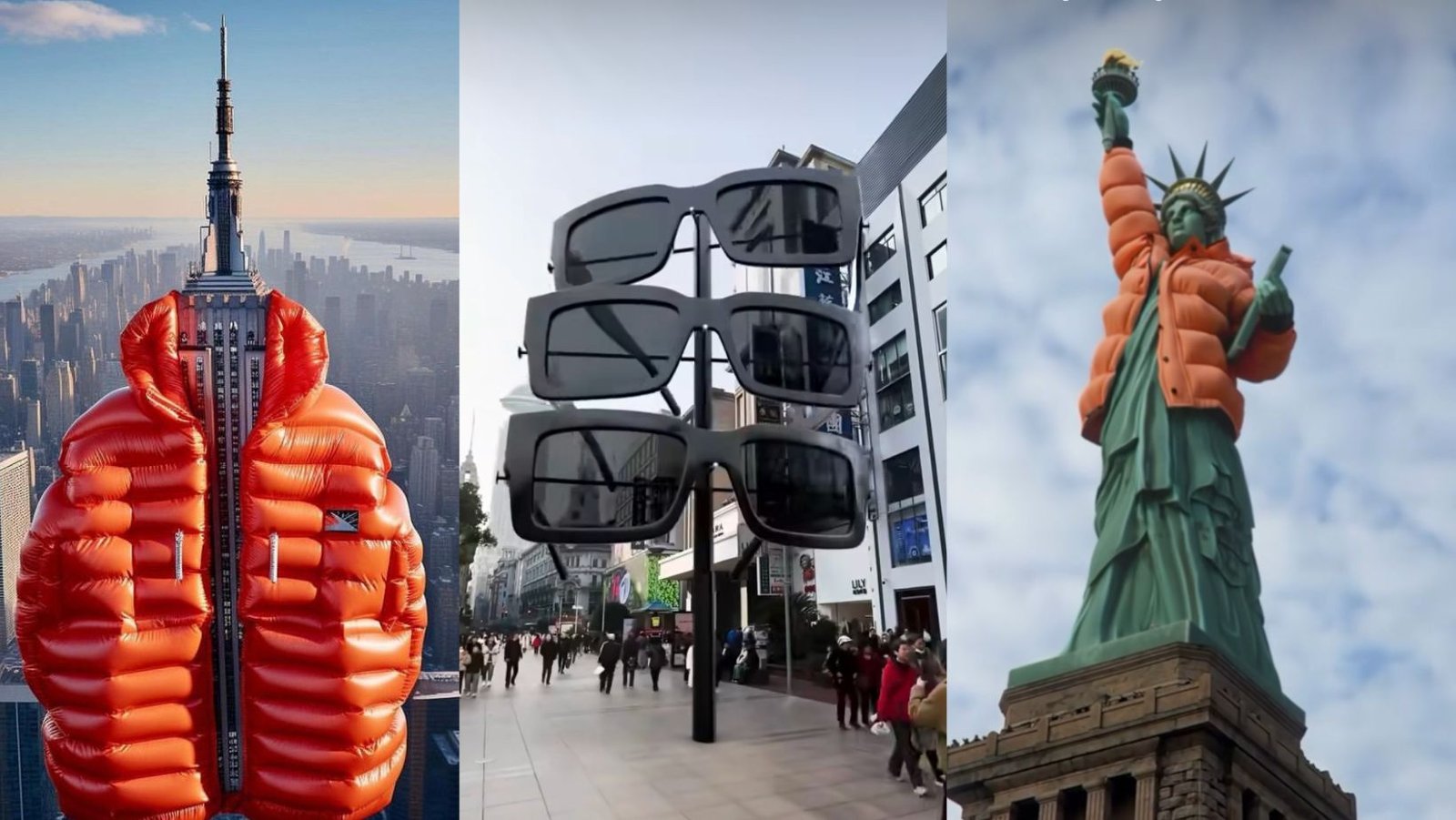
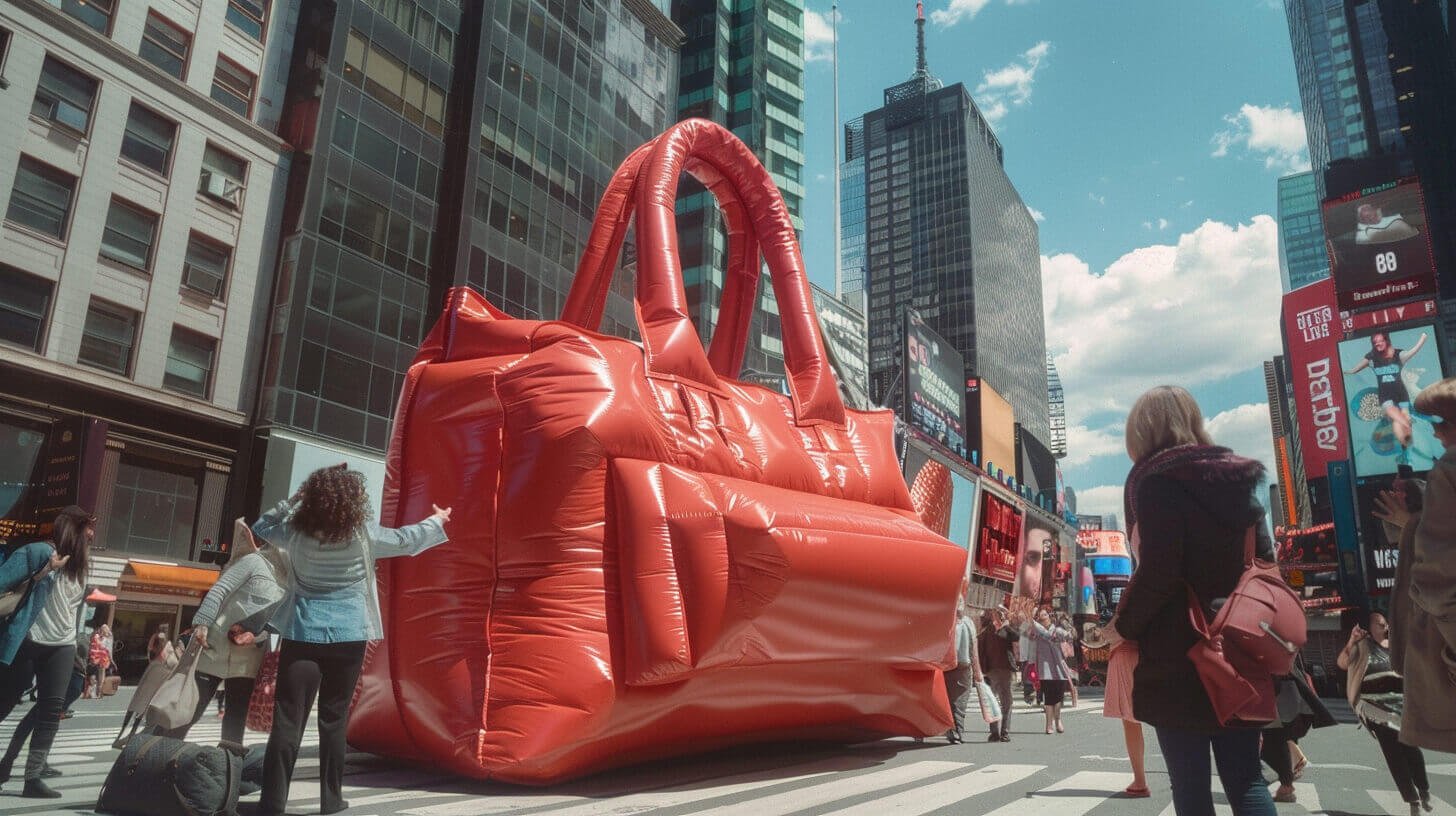
3D Animation Services are a powerful tool for creating dynamic, realistic, and engaging visuals that can captivate audiences across various industries, from entertainment and advertising to education, architecture, and product design. 3D animation allows for the creation of lifelike characters, environments, and objects, giving brands and creators the ability to tell their stories in visually stunning ways that are interactive, immersive, and versatile. Whether it’s for a product demo, video game, advertisement, or an animated movie, 3D animation offers endless possibilities to bring imagination to life.
What is 3D Animation?
3D animation involves the creation of three-dimensional moving images through digital modeling and rendering. Unlike 2D animation, which is flat, 3D animation uses depth and volume, creating more realistic visuals that can be viewed from any angle. The process typically involves creating models of objects or characters, rigging them for movement, applying textures, adding lighting effects, and then rendering the final animations.
Types of 3D Animation Services
The versatility of 3D animation allows it to be applied across many different industries and uses. Below are some of the key types of 3D animation services:
1. Character Animation
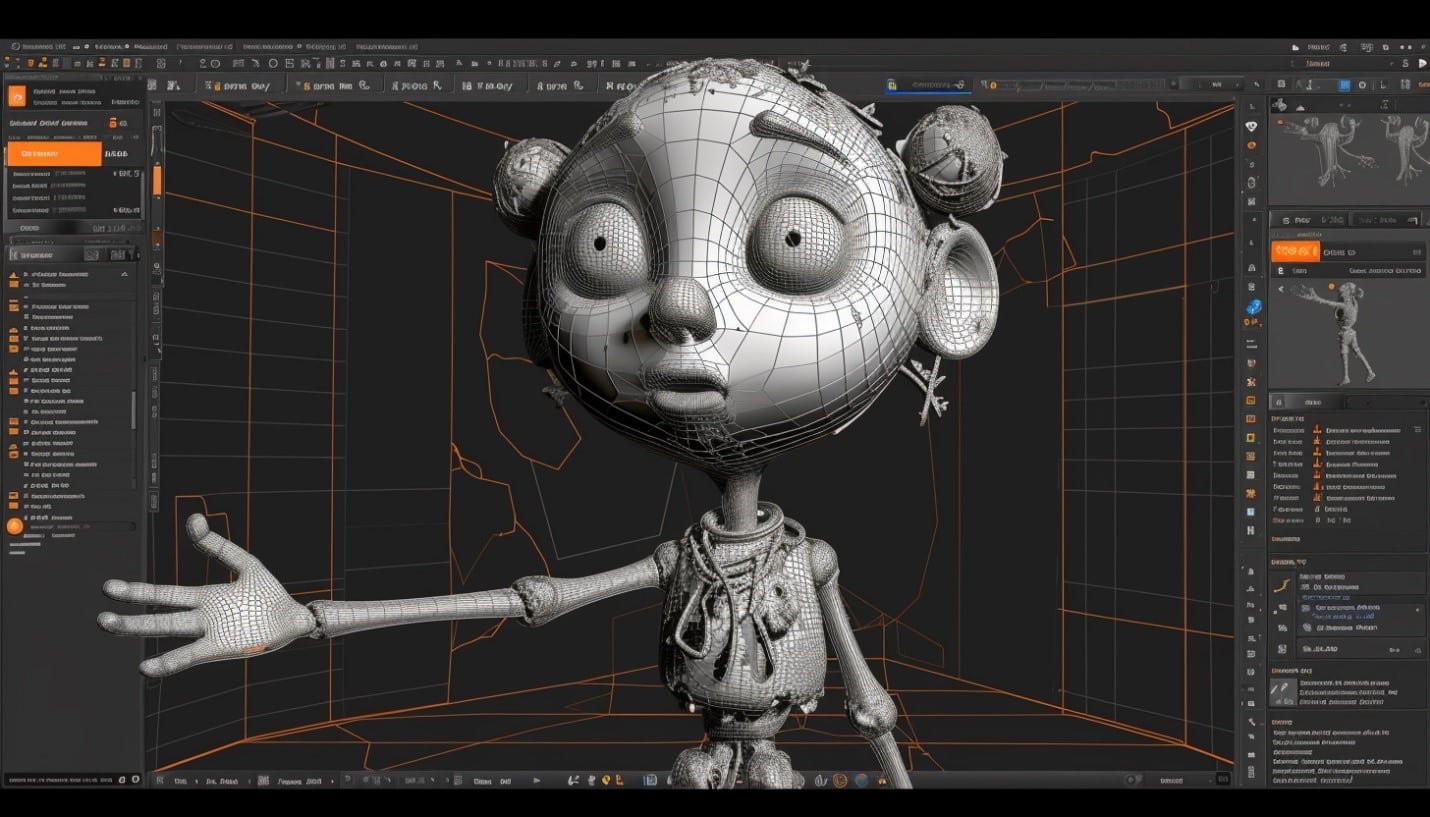
Character animation involves bringing digital characters to life. This is commonly used in video games, animated films, commercials, and even corporate explainer videos. Character animators create movement, expressions, and personality for the characters, making them believable and emotionally engaging.
- Game Animation: Characters in video games require fluid and realistic movements. 3D animators work on everything from idle animations to combat actions, ensuring the character moves naturally in response to player input.
- Film and TV Animation: This includes full-length movies, animated series, or short films. Characters are designed, rigged, and animated to perform actions, express emotions, and interact with their environments.
- Explainer Videos: Many businesses use animated characters in explainer videos to make complex ideas more accessible. These characters help break down technical topics and make them relatable and easy to understand.
2. Product Animation
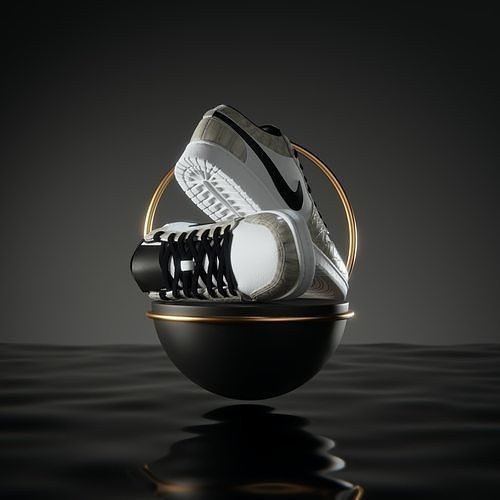
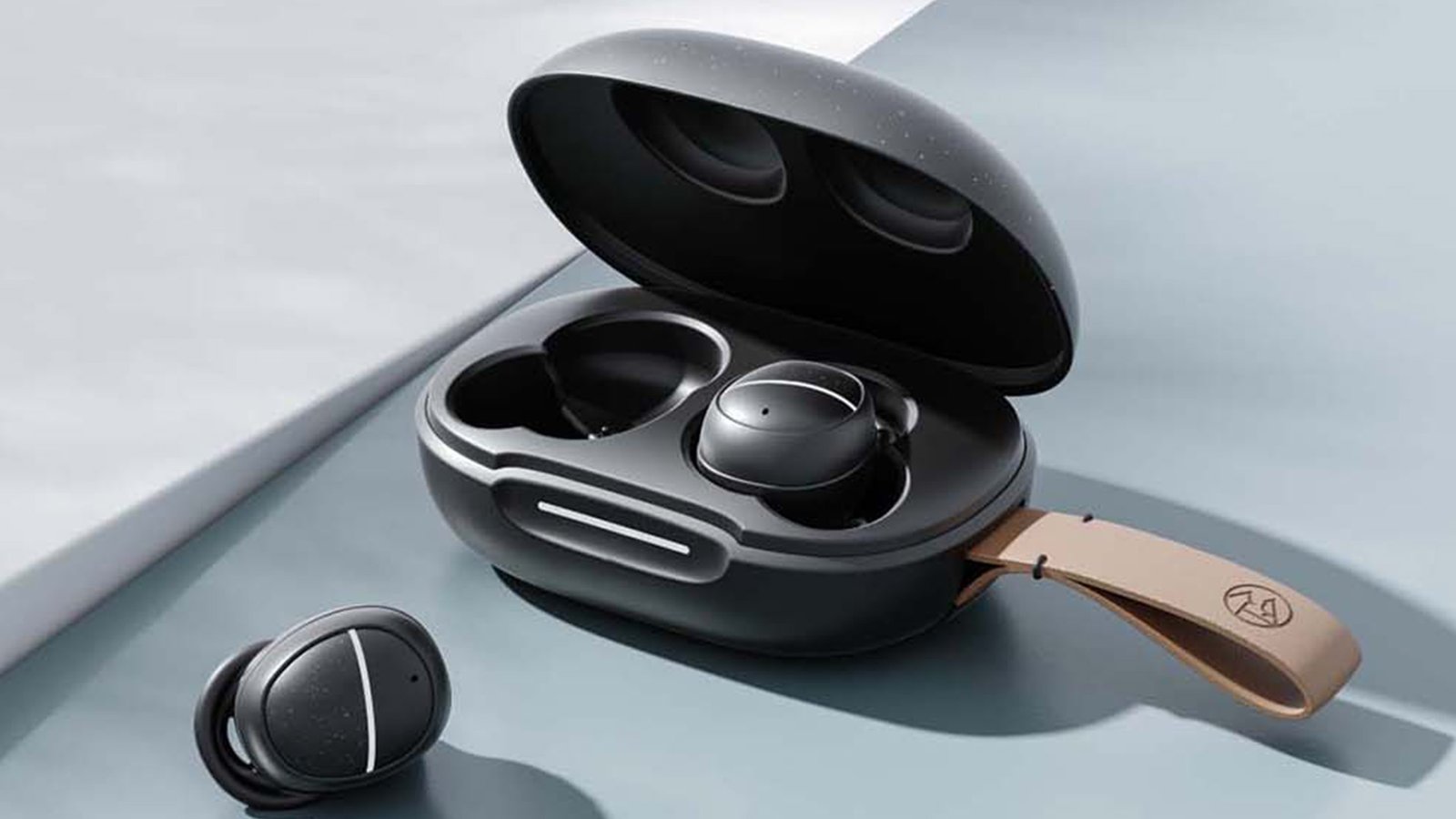
Product animation involves creating lifelike 3D models of products to showcase their features, functionalities, and benefits. This type of animation is perfect for businesses that want to visually demonstrate a product in action without needing to physically show it or produce a live-action video.
- Product Demos: 3D product animation can showcase how a product works, highlighting key features and functionality. This is often used in technology, automotive, or consumer goods industries.
- Virtual Prototypes: Before manufacturing a product, companies can create a 3D model and animate it to see how it performs, how the components fit together, or how it will look from various angles.
- Advertising: 3D animated ads often use product animation to create visually exciting and engaging commercials that capture consumer interest.
3. Architectural Animation (Archviz)
Architectural animation is the process of creating 3D visualizations of buildings, landscapes, and interiors. This service is essential for architects, real estate developers, and urban planners who want to present a realistic view of a design before it’s physically built.
- Walkthroughs and Flythroughs: 3D animation can create virtual tours of architectural designs. These are often used for client presentations, allowing them to visualize the completed structure in its environment.
- Interior Design Visualization: For interior designers and real estate agents, 3D animation can create realistic interiors, showcasing furniture placement, color schemes, lighting, and spatial arrangements.
- Exterior Design Animation: 3D animators can create photorealistic renderings of building exteriors and urban developments, providing a sense of scale and perspective for projects before they are built.
4. Visual Effects (VFX)
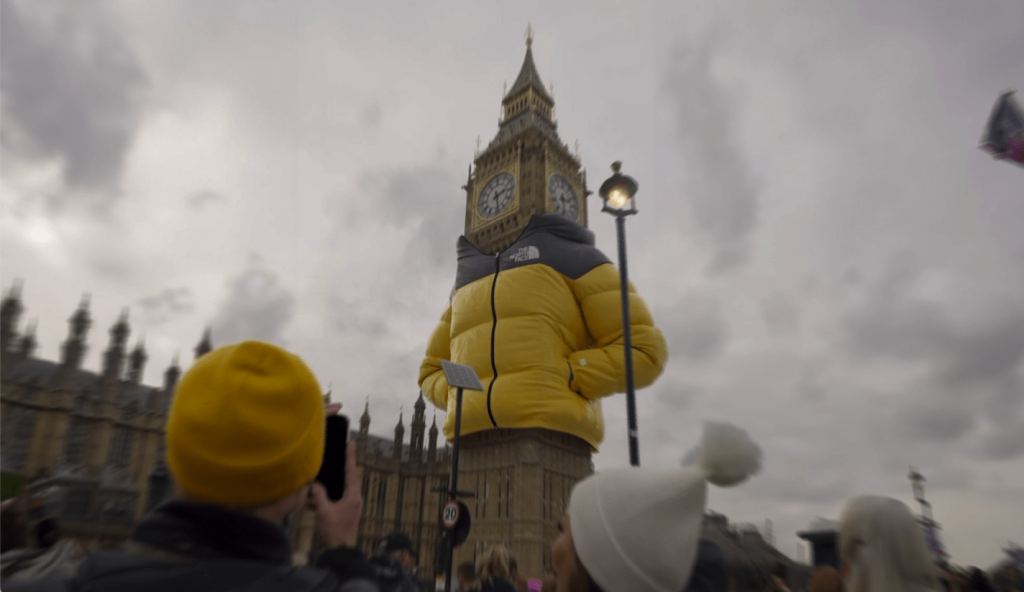
VFX is a crucial part of modern filmmaking and video production, where digital elements are blended with live-action footage. 3D animation is used extensively to create realistic digital elements that interact with real-world objects, such as explosions, creatures, or magical effects.
- Special Effects for Film: Creating explosions, transforming objects, and fantastical creatures is one of the most common uses of 3D animation in film. This allows filmmakers to tell stories that go beyond the limits of physical reality.
- Augmented Reality (AR) & Virtual Reality (VR): 3D animation plays a key role in AR and VR applications, where real-world environments are enhanced with animated, interactive elements that users can experience in real-time.
5. Medical and Scientific Animation
In the medical and scientific fields, 3D animation is used to explain complex biological processes, procedures, or scientific phenomena. These animations help to visualize things that are difficult or impossible to capture in real life, such as cellular activities, organ movements, or molecular interactions.
- Medical Explainers: Animated medical procedures or mechanisms inside the human body, such as heart surgery, digestion, or the working of the immune system, can be visually explained with 3D animation.
- Scientific Research: 3D animations help researchers and scientists demonstrate complex processes like chemical reactions, genetic behavior, or environmental changes in a way that is accessible and easy to understand.
6. 2D to 3D Conversion
In some cases, 2D elements (such as illustrations or logos) need to be converted into 3D models to give them depth and a more modern, dynamic appearance. This is often used in advertising, video production, or branding, where the 3D version of the element enhances its visual impact.
- Logo Animation: Converting a 2D logo into a 3D animated version can give the brand a more polished and cutting-edge look, especially when used in digital media.
- Illustration Enhancement: 2D illustrations can be given 3D depth and motion to create more visually engaging and interactive content.
The 3D Animation Process
Creating high-quality 3D animation is a multi-step process that involves collaboration between various creative and technical teams. Below is an overview of the typical stages involved in 3D animation production:
- Concept and Storyboarding: The first step involves brainstorming and developing ideas, followed by storyboarding to visually map out the scenes and sequences that will be animated.
- Modeling: 3D modelers create the digital representation of characters, environments, props, and other assets. This stage involves defining the shape, size, and texture of everything in the scene.
- Rigging: Rigging involves adding a skeleton or "bones" to the 3D models, allowing them to move and be manipulated during the animation process. It’s essential for character animation and object manipulation.
- Texturing and Shading: 3D animators apply textures and materials to models to make them appear realistic. This can include everything from the roughness of an object’s surface to its color and how it reacts to light.
- Lighting: Proper lighting is crucial in 3D animation, as it can completely change the mood of a scene. Lighting artists set up the lighting to create shadows, highlights, and realistic effects.
- Animation: This is where the characters or objects come to life. Animators use keyframes, motion capture, and other techniques to bring movement, expressions, and emotions to the models.
- Rendering: Rendering is the final step, where all the elements come together to create the final animation. This process involves calculating the color, light, and shadow for each frame and converting it into a sequence of images or video.
- Post-Production: After rendering, the animation is edited, sound effects are added, and any visual effects (VFX) or enhancements are included to give the animation its final polished look.
Applications of 3D Animation
3D animation has a broad range of applications across different industries:
- Entertainment: Movies, TV shows, and video games all rely heavily on 3D animation to bring fantastical worlds, creatures, and characters to life.
- Advertising: Brands use 3D animation for visually striking commercials, product demonstrations, and promotional materials.
- Architecture and Real Estate: 3D walkthroughs and visualizations help architects and real estate developers showcase buildings before they are constructed, allowing clients to “experience” the designs.
- Healthcare and Education: 3D animation is used to teach complex concepts in a visual and easy-to-understand manner, such as how diseases spread or how the human body functions.
- Virtual Reality (VR) & Augmented Reality (AR): 3D animations are integral to creating interactive VR and AR experiences, allowing users to immerse themselves in a digital world or interact with virtual elements in the real world.
- Manufacturing and Engineering: 3D animation is used to demonstrate how machinery works, simulate assembly processes, or visualize products in a way that provides insights before manufacturing.
Why Choose 3D Animation Services?
- High-Impact Visuals: 3D animation creates visuals that are more engaging and impactful, offering a deeper connection with the audience compared to traditional forms of content.
- Storytelling: It allows brands and creators to tell more compelling stories by showing their ideas in a way that resonates with emotions and actions.
- Flexibility: 3D animation can be used in various formats and across multiple platforms, from film to digital advertising and social media.
- Innovation: 3D animation is cutting-edge and modern, helping businesses stand out in an increasingly visual world where competition for attention is fierce.
Conclusion
3D animation is a transformative tool that allows businesses, filmmakers, and creators to bring their ideas, products, and stories to life in visually stunning and engaging ways. Whether it's for character animation