About this Service
3D Modeling Services are the backbone of many industries, allowing businesses and creators to visualize, prototype, and animate designs in a three-dimensional digital space. From product development and architectural visualization to video game assets and character creation for films, 3D modeling helps bring concepts to life with incredible detail and precision. These services utilize advanced software to craft realistic or stylized digital representations of objects, environments, and characters, making them essential for everything from marketing materials to interactive experiences.
What is 3D Modeling?
3D modeling is the process of creating a three-dimensional representation of an object or scene using specialized computer software. Unlike 2D art, 3D models have depth and can be manipulated, viewed from various angles, and integrated into different digital environments. The goal of 3D modeling is to generate a precise and visually accurate digital version of an object or space, which can then be used for animation, simulation, 3D printing, or visualizations in digital media.
Types of 3D Modeling Services
1. Product Modeling
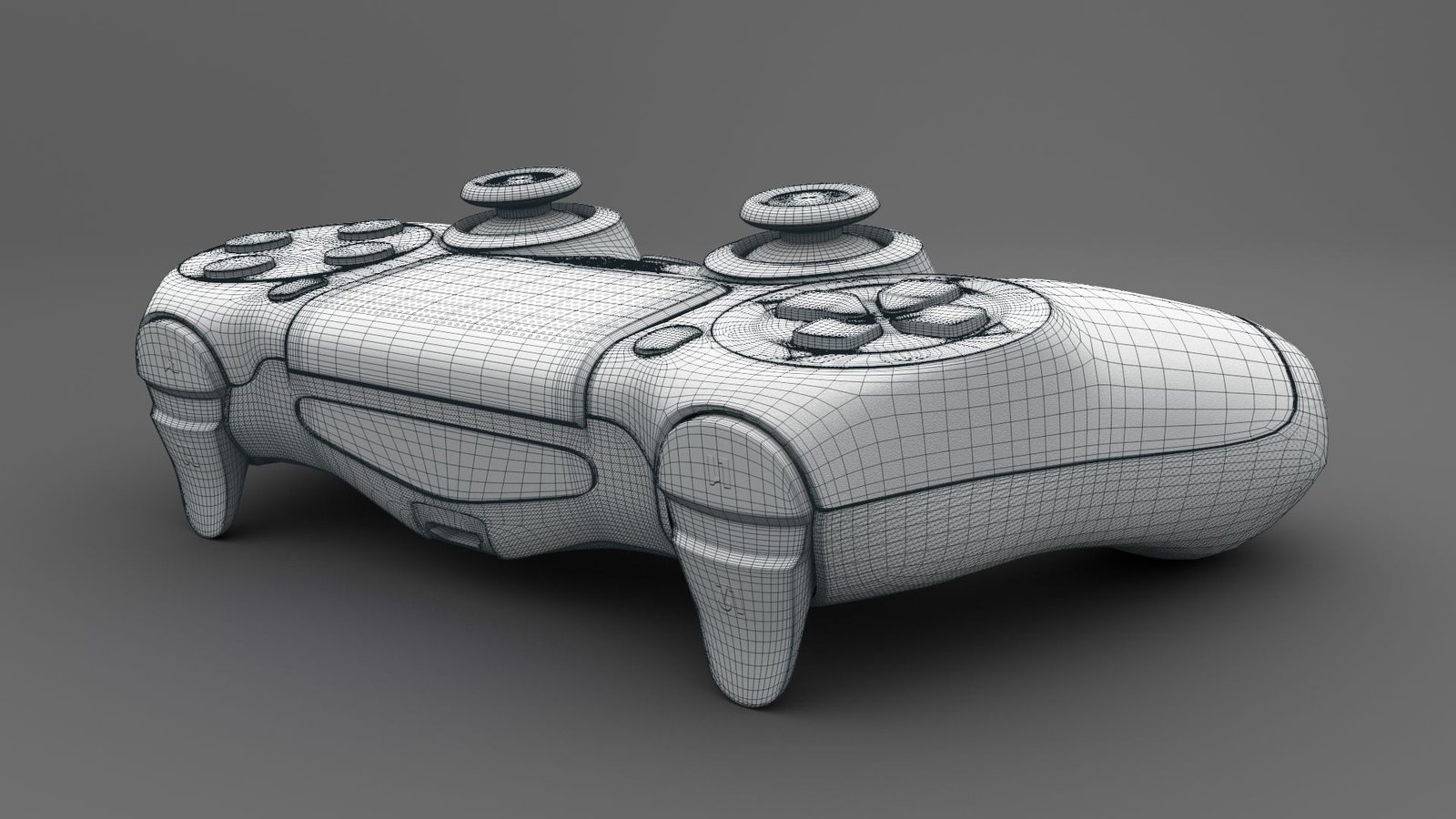
Product modeling is crucial for companies that want to visualize, test, or market a product before physical production. It allows designers to assess a product’s form, function, and features in a digital space, ensuring that the final physical product meets design specifications.
- Consumer Products: Whether it's a new smartphone, appliance, or furniture design, 3D modeling services help bring product concepts to life. Designers create detailed models that can be reviewed for form, texture, and ergonomics.
- Prototyping: Before manufacturing, 3D models can be used to create prototypes or virtual mockups that simulate the final product’s look, feel, and functionality.
- Product Visualization: Marketing teams can use 3D models for promotional materials, product packaging, and advertisements, showcasing the product in a realistic or stylized setting.
- Industrial Equipment: 3D models are also used in industries like automotive, aerospace, and machinery to design complex parts, simulate their movements, and identify potential issues before physical production begins.
2. Architectural 3D Modeling (Archviz)
Architectural 3D modeling (or Architectural Visualization) is used by architects, real estate developers, and interior designers to create photorealistic digital representations of buildings and interiors. This allows clients and stakeholders to get an immersive view of a design before construction begins.
- Exterior Visualization: Designers create 3D models of building exteriors, complete with detailed textures, lighting effects, and landscaping, providing a realistic preview of the finished project.
- Interior Design Modeling: 3D models of interiors, including furniture, décor, and lighting, help designers experiment with different layouts, color schemes, and styles before settling on the final design.
- Virtual Walkthroughs: One of the most powerful tools in architectural 3D modeling is the ability to create a virtual walkthrough of a building or space. This allows clients to explore the design as if they were physically inside, offering a more interactive and engaging experience.
- Urban Planning & Landscaping: For larger-scale projects, 3D models are used to visualize entire urban landscapes, including streets, parks, and other public spaces, helping urban planners make more informed decisions.
3. Character and Creature Modeling
Character modeling is a key component of animated films, video games, virtual reality (VR), and other forms of interactive media. This type of 3D modeling involves creating detailed digital representations of human figures, animals, or fantastical creatures that can be animated for storytelling.
- Character Design: 3D modelers create detailed human or animal characters for films, video games, and advertisements. These models are then rigged for animation, enabling them to move and express emotions realistically.
- Creature Design: For fantasy films or video games, 3D modelers design and create creatures, monsters, or aliens. These models often require intricate detailing to make them appear lifelike or convincing within their environment.
- Rigging: Once a character or creature is modeled, it needs to be rigged, meaning the addition of a skeletal structure (bones) that allows it to move and deform in a realistic manner during animation.
4. 3D Modeling for Virtual Reality (VR) & Augmented Reality (AR)
In VR and AR applications, 3D models are essential for creating immersive and interactive experiences. These models must be optimized for real-time rendering while maintaining high levels of detail and realism.
- VR Environments: In virtual reality, 3D modeling is used to build entire virtual worlds, whether it’s a simulation, a game environment, or a digital representation of a real-world location.
- AR Experiences: For augmented reality applications, 3D models are overlaid onto the real world through a mobile device or AR glasses. These models need to interact seamlessly with the physical environment to create an authentic user experience.
5. 3D Modeling for Video Games
Video game developers rely on 3D models to create assets such as characters, environments, and props that players interact with. These models must be optimized for real-time performance to ensure smooth gameplay.
- Character Modeling: Characters in video games require detailed modeling, rigging, and texturing to make them appear lifelike and ready for animation.
- Environment Design: 3D modelers create the in-game worlds, from landscapes and buildings to small objects like weapons or vehicles. These models are often interactive and respond to user input during gameplay.
- Prop Modeling: From weapons to furniture, props in video games need to be meticulously modeled to blend seamlessly into the environment and help enhance the gaming experience.
6. 3D Modeling for Film and Animation
In film production, 3D modeling is used for everything from character creation to special effects. It is essential in bringing fantastical worlds and creatures to life in a way that’s impossible with live-action alone.
- Creature and Monster Creation: In genres like fantasy, sci-fi, and horror, 3D modelers create lifelike creatures, monsters, and aliens that interact with live actors and other digital assets in a seamless manner.
- Environment and Set Modeling: 3D environments can be fully constructed for scenes that would be too expensive or impossible to create physically, such as outer space, underwater settings, or dystopian cities.
- Special Effects (VFX): 3D models are used to create visual effects, such as explosions, fire, and water. These digital elements are integrated with live-action footage to create stunning and realistic visual effects.
7. 3D Printing Models
3D modeling is the first step in creating physical objects using 3D printing technology. Businesses or designers can create a digital model of their product, prototype, or part, which is then used by a 3D printer to produce a physical version.
- Prototyping: Rapid prototyping with 3D models allows businesses to test designs and functionalities before committing to mass production.
- Custom Manufacturing: Designers can create custom-made objects or parts for manufacturing, often for industries like aerospace, automotive, or fashion.
- Small-Scale Production: For artists, jewelers, or inventors, 3D printing allows for the creation of one-of-a-kind pieces or limited-run productions that wouldn’t be cost-effective with traditional manufacturing methods.
The 3D Modeling Process
Creating a 3D model involves several stages to ensure the final product is accurate, functional, and visually appealing. The process typically follows these steps:
- Concept Art and Reference Gathering: Before beginning the modeling, the designer reviews concept art or gathers reference images to guide the 3D model’s design.
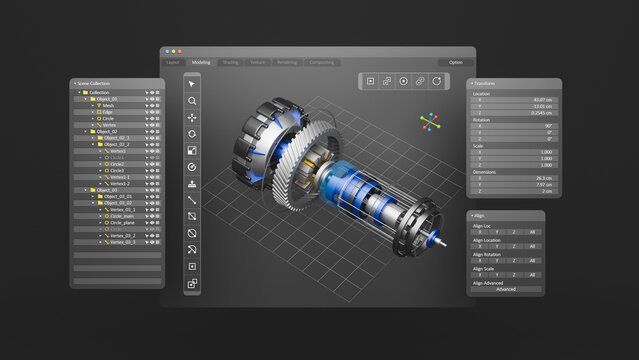
- Modeling: Using 3D modeling software (like Blender, Maya, 3ds Max, or ZBrush), the modeler creates the geometry of the object or character, focusing on detail, proportions, and structure.
- Texturing and UV Mapping: Textures are applied to the model, including color, surface details, and material properties (e.g., glossiness, roughness). UV mapping is the process of unwrapping the 3D model’s surface to apply 2D textures correctly.
- Rigging: If the model is going to be animated, it needs a skeletal structure (rig) that allows it to move. This involves setting up bones, joints, and controls for proper movement.
- Lighting and Rendering: Lighting is added to simulate how the model will interact with light sources. The model is then rendered to create a final 2D image or animation from the 3D scene.
- Post-Processing: Final touch-ups are made to enhance the look of the model, including color grading, shadow effects, and integration with other visual elements.
Why Choose 3D Modeling Services?
- Visual Accuracy: 3D modeling offers highly accurate, realistic representations of products, environments, or characters, helping businesses make informed decisions.
- Enhanced Prototyping: Digital prototypes allow for design testing and refinement before physical production, reducing errors and development costs.
- Versatility: 3D models can be used across a variety of mediums, including animation, VR, AR, gaming, 3D printing, and advertising.
- Time and Cost Efficiency: Digital modeling helps save time and resources, especially when dealing with complex designs or when physical prototypes aren’t feasible.
- Creative Flexibility: 3D modeling provides unlimited opportunities for creativity, allowing for the creation of environments and designs that wouldn’t be possible through traditional methods.
Conclusion
3D modeling services are essential for any business or creative industry that requires high-quality visual representations of products, environments, or characters.